HMRC Can Take Money From Your Bank Account: What Healey’s New Powers Mean for You
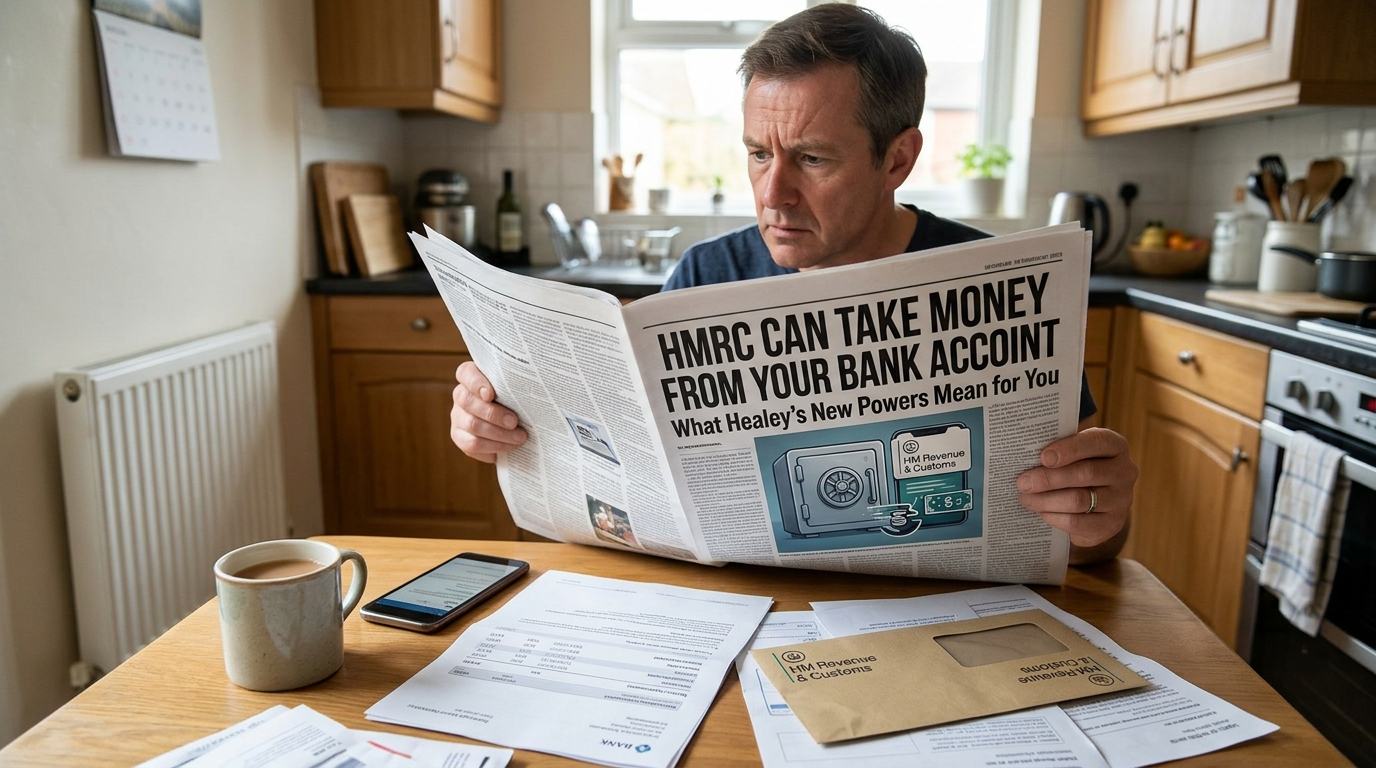
Most people never expect the taxman to reach directly into their bank account. For a small group of UK taxpayers, that is about to become more likely. In his Budget, Chancellor John Healey announced a major expansion of HMRC’s power to recover unpaid tax straight from current and savings accounts, aimed at people and businesses with the means to settle their bills who keep ignoring requests. Searches about the change have climbed as people try to work out whether it affects them. Here we explain the new HMRC bank account powers, how Direct Recovery of Debts works today, the safeguards in place, and what to do if you owe tax.
What the Budget Announced
The Chancellor’s Budget on 28 October 2026 gave HMRC extra funding and stronger powers to collect overdue tax, according to City AM’s Budget coverage. Under the plans, HMRC will be able to recover unpaid sums, plus interest, straight from the bank and savings balances of individuals and firms that keep ignoring payment demands. The expanded powers are due to take effect from July 2029.
The Budget also included:
- £70 million over five years to expand HMRC’s work with private debt collection agencies.
- Funding for 670 more compliance officers by 2029–30.
- A requirement from April 2029 for some businesses to set up direct debits so unpaid VAT and PAYE balances can be collected.
How the Current Rules Work
HMRC already has a power called Direct Recovery of Debts (DRD), first introduced about a decade ago. It lets the tax authority instruct banks and building societies to transfer money from a debtor’s accounts, including cash ISAs, without going to court.
Today, strict limits apply. HMRC can only use DRD when:
- The amount owed is £1,000 or more, and
- A cushion of £5,000 or more stays across the person’s accounts afterwards, to protect against hardship.
The power was paused during the pandemic and resumed in a cautious “test and learn” phase in late 2025, according to HMRC’s own tax debt strategy update. In practice, it has been used rarely.
What Could Change
The government has been consulting on ways to extend these powers to smaller debts, which HMRC says are hard to collect using existing tools. Proposals discussed during the consultation included taking repayments in regular monthly instalments rather than a single lump sum. Final details, including exact thresholds and safeguards, will depend on legislation and may change before the 2029 start date.
Who Is Likely to Be Affected
The powers are not aimed at people who pay on time or who are in contact with HMRC. They are designed for taxpayers who:
- Owe tax and have been contacted several times.
- Have the money to pay but choose not to.
- Do not respond or engage with HMRC.
The vast majority of taxpayers, who pay through PAYE or file and pay their returns on time, are unlikely to be affected.
The safeguards
HMRC says the powers come with strict protections. Under current rules, the tax authority must make repeated attempts to contact the debtor first and give notice before any money is taken, with a 30-day window to respond. Special care is meant to apply to vulnerable customers. Critics, including some tax advisers, have warned about the risk of mistakes, such as incorrectly calculated tax codes, and have called for strong oversight.
What to Do If You Owe Tax
If you have a tax bill you cannot pay in full, acting early is the best protection:
- Do not ignore HMRC letters. Engaging with HMRC is the main way to avoid enforcement.
- Ask about a Time to Pay arrangement. HMRC can let eligible people spread payments over time.
- Check your tax code and bills for errors, and challenge anything that looks wrong.
- Keep records of all correspondence.
- Get advice from a qualified accountant or a free debt advice charity if you are struggling.
Be alert to scams, too. Criminals often pose as HMRC by phone, text or email. HMRC will not ask for bank details by text message, so contact the tax authority directly through official channels if you are unsure. Our guide to why you should never share your banking password with AI tools has more advice on keeping accounts safe. Our how to set up an HMRC Time to Pay arrangement guide explains the process.
A Tougher Line on Unpaid Tax
The Budget signals a firmer approach to people who can pay their tax but refuse to engage. For most taxpayers, nothing changes. If you owe HMRC money, the simplest way to stay clear of these powers is to respond quickly and agree a plan to pay.
Frequently Asked Questions
Yes, in limited cases. Under Direct Recovery of Debts, HMRC can recover debts of £1,000 or more, provided at least £5,000 remains across your accounts. The Budget will expand these powers from July 2029.
Yes. HMRC must contact you several times and give notice before using the power, with a period to respond.
Current rules allow recovery from cash ISAs, subject to the same safeguards.
Respond to HMRC, pay what you owe, or agree a Time to Pay arrangement if you cannot pay in full.