China Moves to Restrict AI Exports: What It Means for You
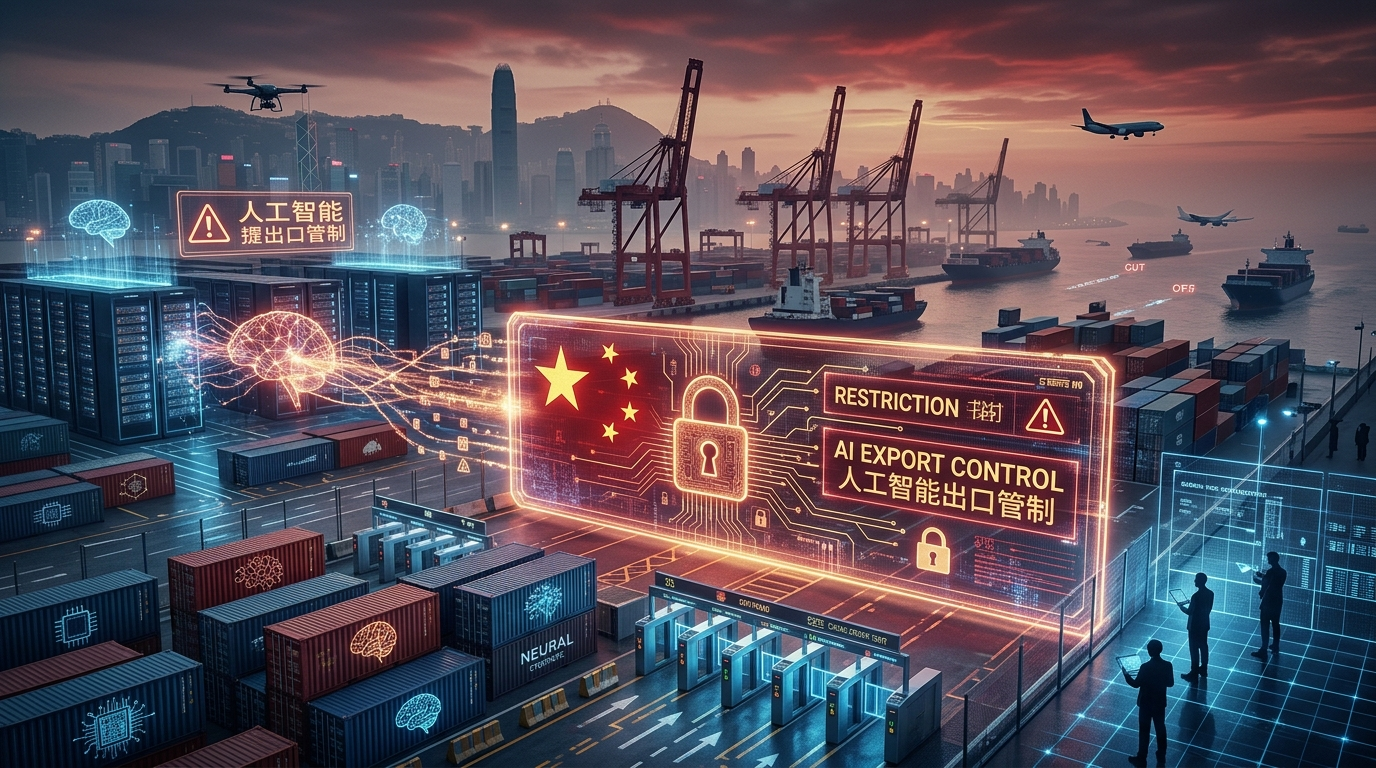
For years, the story of AI and trade has been about the United States restricting what China can buy. Now China is drawing its own lines. Beijing has proposed China AI export controls covering powerful AI models, AI agents and the computing systems behind them. It is a major shift in AI export rules and a sign that AI is increasingly treated as a strategic national resource. Here is what the proposal covers, what it leaves out, and what it could mean for businesses and everyday users.
What China Has Proposed
On 16 October 2026, China’s Ministry of Commerce and Ministry of Science and Technology published a draft adding 40 technologies to the country’s list of technologies that are banned or restricted from export, as US News reported. The list spans artificial intelligence, solar power and biomedicine.
AI dominates the list. Of the 40 technologies, 23 are AI-related, covering large language models, AI agents, chip designs, computing clusters and information-processing technologies. Across the full list, 14 technologies would be prohibited outright and 26 would need an export licence.
What would be banned or restricted
The draft sets out several categories:
- AI models trained on sensitive national data would be banned from export. China defines this “core data” as information tied to national security, the economy and major public interests.
- AI agents built for highly sensitive settings, such as national defence and critical infrastructure, would also be banned.
- Very large AI models, with 2 trillion or more parameters or world-leading capabilities, could face restrictions.
- Model weights and source code would come under export controls for the first time, rather than just the chips beneath them.
The proposal did not name specific models, although Chinese models such as Moonshot’s Kimi K3 and Alibaba’s Qwen 3.8-Max are reported to exceed 2 trillion parameters.
The Important Exemptions
The fine print matters for ordinary users. According to AI Weekly’s summary of the draft, the proposal exempts access through APIs, websites, apps and software-as-a-service platforms. It also leaves alone technologies already public through open-source releases or academic publications.
In other words, the rules target the transfer of the technology itself, such as handing over model weights or deploying systems abroad, rather than people using Chinese AI services online.
Why China Is Doing This
The proposal mirrors the approach the United States has taken for years. US-led restrictions have blocked China from buying the most advanced AI chips and chipmaking machines. Now that Chinese companies produce some of the world’s strongest AI models, Beijing wants more control over who gets access to them. The draft cites national security, and an interim registration requirement for exporting the affected technologies is already in effect.
The move also comes as governments everywhere are rethinking AI oversight. In the United States, a new White House task force has begun a review of AI risks, as our report on the Super Intelligence task force explains.
What It Means for Australians
For most Australians, the immediate impact is likely to be small:
- Using Chinese AI apps: access through apps, websites and APIs is exempt, so existing services should keep working.
- Open-source models: models already released publicly are not covered by the proposal.
- Businesses: companies that license or deploy Chinese AI systems locally, or work with Chinese AI partners, may face new paperwork and limits if the rules are adopted.
Australians should still think carefully about data security when using any AI service. The federal government has already banned some Chinese AI apps on government devices over security concerns, and businesses should review where their data is processed. For context on the scale of today’s models, our explainer on Microsoft’s 2.8 trillion parameter MAI-Base-2 shows why the 2 trillion threshold matters. Our AI data privacy tips for Australian businesses guide covers the basics.
A New Front in the AI Race
China’s proposal turns AI into something it guards as closely as advanced chips, marking a new phase in the global technology contest. For everyday users the exemptions soften the impact, but businesses working across borders will need to watch the final rules closely. The bigger takeaway is clear: powerful AI is now treated as national strategy, and trade rules will keep following it.
Frequently Asked Questions
Are these rules already law?
No. They are a draft proposal, although an interim registration requirement for exports of the covered technologies is already in place.
Will I still be able to use DeepSeek or Qwen?
The draft exempts access through apps, websites and APIs, so using these services online should not be affected by these export rules.
Which models would be restricted?
The draft covers models with 2 trillion or more parameters or world-leading capabilities, but it does not name specific models.
Why does China want export controls?
It cites national security and wants more control over advanced AI as competition with the United States intensifies.